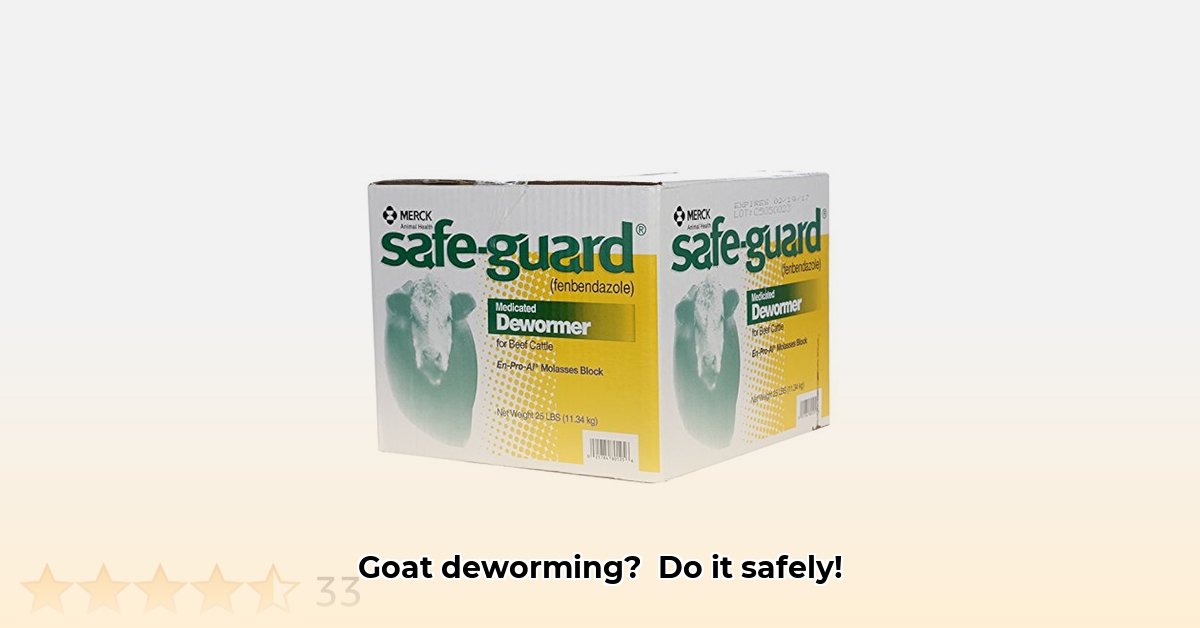
Sustainable goat farming requires a proactive approach to parasite control. Ignoring internal parasites can lead to decreased productivity, health problems, and ultimately, economic losses. This guide provides a comprehensive, step-by-step plan for sustainable goat deworming, balancing effective parasite management with environmental responsibility and the long-term health of your herd. For additional deworming product information, check out this helpful resource: Goat Dewormers.
Understanding Goat Parasites: The Invisible Threat
Goats are susceptible to various internal parasites, including roundworms, lungworms, and coccidia. These parasites compete with your goats for nutrients, leading to weight loss, reduced milk production, and weakened immunity. Early detection is crucial for minimizing their impact. Common symptoms include diarrhea, rough coat, and decreased appetite. Don't underestimate the silent damage these tiny invaders can inflict. How can we effectively mitigate their effects while maintaining sustainable farming practices?
Fecal Egg Count (FEC) Testing: Your First Line of Defense
Guessing at the severity of a parasite infestation is risky. Fecal Egg Count (FEC) testing provides a precise measurement of the parasite load in your goats' digestive systems. This data-driven approach is the cornerstone of sustainable deworming.
Performing an FEC:
- Sample Collection: Collect fresh fecal samples from each goat, ensuring accurate representation. Follow your veterinarian's or laboratory's specific instructions for proper sample collection and storage.
- Lab Analysis: Submit samples to a veterinary diagnostic laboratory specializing in livestock parasitology. They will accurately quantify the number of parasite eggs per gram of feces (EPG).
- Results Interpretation: A high EPG indicates a significant infestation requiring treatment. A low EPG suggests a less severe situation, potentially requiring observation rather than immediate treatment. Your veterinarian will help interpret the results and advise on the necessary action.
Sustainable Deworming Methods: A Balanced Approach
Sustainable deworming avoids over-reliance on chemical dewormers. Overuse leads to drug resistance, environmental contamination, and potential harm to your goats. A balanced approach integrates several strategies:
1. Targeted Chemical Deworming: Chemical dewormers remain a valuable tool, but only when FEC tests justify their use. Always follow label instructions precisely, using the correct dosage and frequency to minimize risks. Consult your veterinarian to select the appropriate dewormer for your specific parasite situation. Rotating dewormers can help delay the development of drug resistance. "Strategic use of dewormers, guided by FEC results, is key to responsible parasite management," says Dr. Emily Carter, Veterinarian at the National Goat Research Center.
2. Alternative Methods: Explore eco-friendly alternatives like herbal remedies and rotational grazing. While effectiveness varies, these methods can reduce reliance on chemicals. However, remember that these methods often require more time and management.
3. Rotational Grazing: This minimizes parasite build-up in pastures by allowing rested paddocks to recover naturally, breaking the parasite's life cycle. "Rotational grazing is a cost-effective and sustainable method of parasite control," explains Dr. James Miller, Professor of Animal Science at State University.
4. Pasture Management: Healthy pastures are less hospitable to parasites. Maintain pasture quality through appropriate fertilization, weed control, and soil health practices.
Creating a Personalized Deworming Plan: A Step-by-Step Guide
A successful deworming plan is tailored to your specific situation. Consider these steps:
- Regular FEC Testing: Establish a regular FEC testing schedule (e.g., every 2-3 months) based on your herd's history and parasite prevalence in your area.
- Targeted Treatment: Only treat goats with high FEC results. Avoid unnecessary deworming.
- Method Selection: Choose deworming methods based on your FEC results, your resources, and your veterinarian's guidance. Combine chemical and alternative strategies as appropriate.
- Veterinary Consultation: Regular consultations with your veterinarian are crucial for optimizing your deworming strategy. They can provide invaluable insights tailored to your specific herd and geographic area.
- Record Keeping: Maintain a detailed record of all FEC results, treatments, and observations. This data is invaluable for tracking progress and adapting your plan over time.
Record Keeping: The Unsung Hero of Sustainable Goat Farming
Meticulous record-keeping is paramount. Document every FEC result, treatment administration (date, dewormer used, dosage), and any observations about your goats' health. This data provides a valuable baseline for long-term parasite management.
Long-Term Strategies: Investing in the Future
Sustainable deworming is a long-term commitment. Prioritize:
- Integrated Pest Management: Combining multiple strategies for comprehensive parasite control.
- Preventative Measures: Focus on preventative measures such as good nutrition programs, and maintaining pasture health.
- Research and Innovation: Stay informed about emerging technologies and strategies for parasite control.
Key Takeaways:
- Regular FEC testing is essential for targeted deworming.
- Sustainable deworming integrates various methods for effective and responsible parasite management.
- A personalized deworming plan is crucial for optimal results.
- Meticulous record-keeping ensures ongoing improvement and adaptation of your management strategies.
- Investing in long-term strategies guarantees the health and sustainability of your goat operation.